
How Does Indian Food Bangkok Cater To Dietary Restrictions Like Halal, Gluten-Free, Or Vegan?
When you turn to BKK Scene as your guide to Bangkok’s vibrant culinary scene, you’ll often find that Indian-food spots in Bangkok are quite accommodating to a variety of dietary needs. In this post, we’ll explore how many Indian restaurants in Bangkok are structuring their menus and services to cater to dietary restrictions such as halal-diet, gluten-free, vegetarian/vegan — and what that means for travellers and locals alike. Indian restaurant BKK menus often highlight clear labeling and customizable dishes to support halal, gluten-free, and vegan diners.
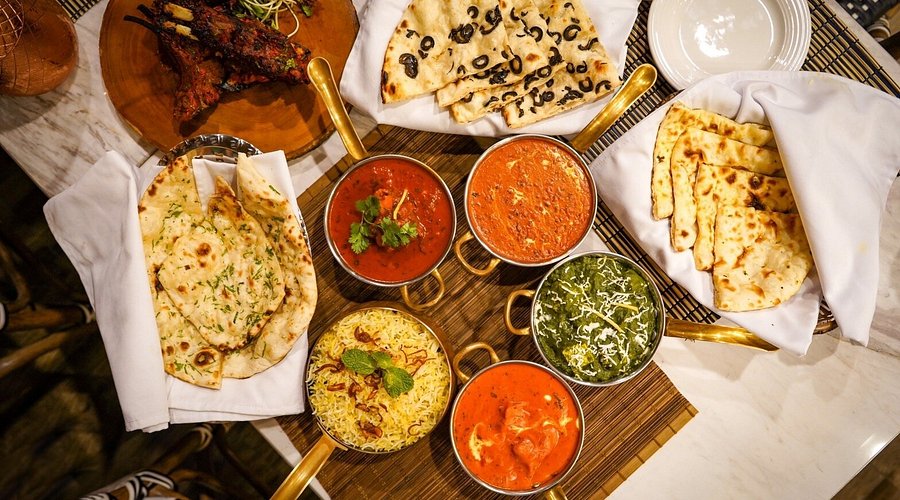
A Brief Look At BKK Scene And Its Role
BKK Scene is presented as an insider’s guide to all things in Bangkok, covering food and dining among many lifestyle and cultural aspects. While it doesn’t itself run restaurants, its curated lists such as its “Top Indian Restaurants In Bangkok” help visitors navigate the city’s Indian culinary offerings. Thus, when we talk about “Indian food in Bangkok,” we mean many of the restaurants that BKK Scene highlights, and how they broadly meet dietary needs.
Indian Food’s Natural Compatibility With Dietary Restrictions
One of the strengths of Indian cuisine — whether in India or abroad — is its inherent flexibility. Many traditional Indian dishes are vegetarian by default: lentil dals, vegetable curries, rice dishes, chutneys, and breads like naan or rotis are staples. In a city like Bangkok, where Indian restaurants aim to serve both locals and tourists from diverse backgrounds, this natural diversity plays in their favor.
According to a write-up about Bangkok’s Indian restaurants, many are increasingly offering vegetarian, vegan, and gluten-free options alongside their regular menu of meat-based dishes. This ensures that people who avoid meat, dairy, gluten, or animal-products can still enjoy authentic Indian flavors without compromising on their dietary commitments.
Halal: Catering To Muslim Diners
Halal dietary adherence is often a major consideration for Muslim diners, and many Indian restaurants in Bangkok recognize that. For example, reviews and guides suggest that Indian restaurants in central Bangkok cater to halal diets, offering halal meat or keeping meat separate, so patrons who prefer halal have options.
This is particularly significant because Bangkok is not homogenous in dietary traditions having safe, halal-friendly Indian dining helps Muslim tourists and residents enjoy meals without worrying about compliance. The flexibility and familiarity of Indian cuisine with its meat curries, vegetarian staples, and rice-based dishes makes it easier to offer or adapt halal variants.
Gluten-Free & Allergy-Sensitive Choices
Gluten intolerance or celiac disease represents another common dietary restriction. In Bangkok, there are Indian restaurants noted for being “celiac friendly,” offering gluten-free alternatives and training staff to avoid cross-contamination.
This means that dishes traditionally heavy in gluten such as breads or certain gravies thickened with wheat flour can often be substituted or avoided. Many Indian meals rely on rice, lentils, vegetables, and naturally gluten-free ingredients, which makes Indian cuisine a smart choice for gluten-free eaters. Dishes like plain rice with vegetable curry, dal, or naturally gluten-free vegetarian recipes work well provided the restaurant acknowledges and adapts to the dietary need.
That said, gluten-free dining requires awareness: sauces, marinades, or side dishes may contain wheat-based thickeners or gluten-laden condiments. So it’s always a good idea for diners to ask the staff about preparation methods — sometimes Mexican or Thai-style adjustments may slip in ingredients like soy sauce or flour-based thickening. Some Indian-food restaurants make the effort, but much depends on communication. This balance between tradition and adaptation has become increasingly common in Bangkok’s Indian dining scene.
Vegan & Vegetarian-Friendly Menus: A Strength
Vegetarian and vegan diets align especially well with Indian food, because of the cuisine’s long history of vegetarian dishes — from lentil dals and vegetable curries to dishes with paneer (Indian cheese), legumes, and rice. In Bangkok, this tradition continues. Indian restaurants offer a variety of vegetarian and vegan-friendly meals.
For vegans, many restaurants go beyond just meat-free: they adapt dishes by omitting dairy or substituting ingredients to accommodate plant-based diets. In some cases, this might mean replacing butter or cream-based gravies with coconut-milk-based sauces or using purely vegetable oils, as is common in modern adaptations in Southeast Asia.
This makes Indian food in Bangkok a reliable go-to for vegan or vegetarian travelers who want rich flavors, spices, and familiar comfort foods without compromising their dietary ethics.
Why Many Bangkok Indian Restaurants Embrace Dietary Flexibility
There are a few reasons behind this growing flexibility. First, Bangkok is a global city: tourists, expats, and international travelers from around the world with varying dietary requirements frequent its restaurants. Indian restaurants have recognized this diversity in demand.
Second, the inherent versatility of Indian dishes makes adaptation easier. Many staples are naturally vegetarian, gluten-free when using rice or lentils, and can be made halal by sourcing appropriate meats or avoiding pork. The spices, herbs, and cooking methods allow for substitutions without completely compromising flavor or authenticity.
Third, in a competitive dining scene, restaurants gain an edge by marketing themselves as inclusive vegetarian-friendly, halal-friendly, gluten-free friendly. That expands their potential customer base. As noted in a review of Bangkok’s Indian eateries, restaurants now frequently highlight dietary-friendly options to attract a wider audience.
What Diners Should Keep In Mind — Ask, Clarify, Adapt
Despite the growing availability, not every Indian restaurant in Bangkok will automatically get things right. Gluten-free does not always mean safe from cross-contamination; vegan may still involve dairy or ghee unless clearly stated; halal can mean different things depending on how meat is sourced or prepared.
Because of that, it’s wise for diners to proactively check with restaurant staff mention dietary restrictions clearly (like “I’m gluten-intolerant,” or “I prefer halal meat,” or “No dairy please”). Many places are willing to adjust if asked. And thanks to the flexibility built into Indian cooking with rice, lentils, vegetables, and spices adaptation is often quite feasible.
Also, sometimes dishes need to be modified: gravies re-made without cream, sauces thickened without wheat, breads replaced with rice or rice-based flats, or meat switched to vegetarian/plant-based protein. For example, vegan variants may rely more on coconut milk, legumes, and vegetable oils. These adaptations echo a broader trend in Bangkok and globally: creative reinterpretation of traditional recipes to meet modern dietary demands.
A Welcoming Indian Food Scene For Dietary-Restricted Diners In Bangkok
In short, Indian food in Bangkok as documented through resources like BKK Scene is increasingly well-positioned to welcome diners with dietary restrictions. Whether you follow halal rules, avoid gluten, maintain a vegan or vegetarian diet, or simply prefer lighter, plant-based meals there are Indian restaurants that recognize and respect those needs.
Because Indian cuisine is inherently diverse, and because many restaurants in Bangkok have adapted to global tastes and dietary restrictions, Indian food becomes an accessible, flavorful, and inclusive option. As a diner, the key is to communicate clearly, ask questions, and in many cases reap the benefits of a cuisine designed for flexibility.
In a city as dynamic and cosmopolitan as Bangkok, Indian food offers not just comfort and flavor, but also adaptability and inclusivity making it a smart choice for travellers or residents with special dietary needs.